Myreadignmnaga: The Complete Guide to This Free Online Manga Reading Platform
If you have searched for myreadignmnaga and found yourself unsure what it actually is or whether it is worth your time, you are not alone. The name looks unusual at first. It does not follow normal spelling rules, and it is not immediately obvious what it refers to. But once you understand the origin, the platform behind it, and how it works, the picture becomes clear very quickly.
This guide covers everything you need to know: what myreadignmnaga is, where the name comes from, what kind of content you will find there, how the reading experience works, what the legal and safety situation actually looks like, and what your best alternatives are if you want a cleaner or more reliable option.
What Myreadignmnaga Actually Is
Myreadignmnaga is a variant spelling that most readers and search engines associate with My Reading Manga, a well-known free online manga reading platform. The name itself is almost certainly a typographical compression or misremembering of “my reading manga,” the kind of shorthand that spreads naturally through online communities when people share links in comment sections, Discord servers, or social media threads without carefully checking the spelling. Over time, enough people searched for this specific string that search engines began indexing it as its own term, and articles began targeting it directly.
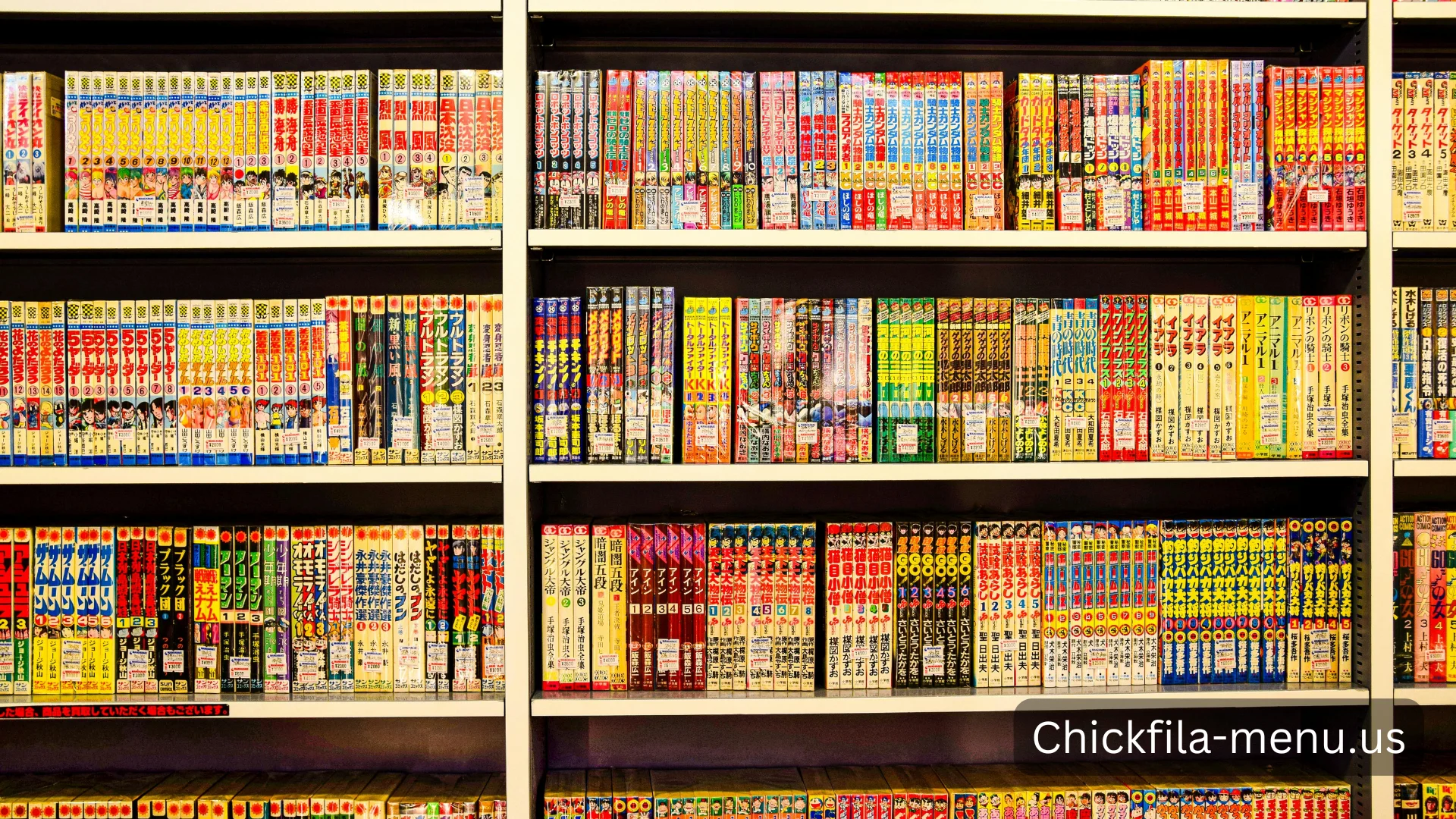
The platform itself functions as a free web-based manga reading site. It hosts a large library of manga titles across dozens of genres, available to read directly in a browser without creating an account or entering payment details. You visit the site, search for a title, select a chapter, and read. That is the entire process. There are no subscription prompts, no download requirements, and no registration walls blocking access. The library is populated primarily through community uploads, meaning fans scan, digitize, and upload manga chapters rather than the platform licensing them directly from publishers.
This community-driven model is both the platform’s greatest strength and its most significant limitation. It explains why the library is so large and why it contains titles that official platforms do not carry, and it also explains why legal concerns, content consistency, and safety questions are part of any honest conversation about it.
Also check: URL Encoder SpellMistake
Where the Name Comes From and Why It Spread
Understanding how myreadignmnaga became a searchable term in the first place helps explain why so many articles now target it. My Reading Manga, the platform this name traces back to, has been active and popular among manga fans for years, particularly among readers interested in genres that mainstream platforms either do not carry or actively restrict, such as yaoi, bara, doujinshi, and other mature or niche categories. The platform built a loyal audience through word of mouth inside online manga communities, including forums, subreddits, and fan translation groups.
As that audience grew and discussions spread across more platforms, the name got shared in ways that introduced spelling variations. Someone types quickly and omits or reverses letters. Another person copies that spelling because it is what they saw first. A third posts a recommendation using the same version. Search engines pick up the pattern and begin associating it with the underlying topic. Eventually, the variant spelling develops enough search volume to be treated as its own keyword. This is not an unusual process in internet culture. Many platform names and product names develop searchable misspellings that take on a life of their own, and myreadignmnaga is a clear example of that.
What You Will Find on the Platform
The content library associated with myreadignmnaga is genuinely broad. Readers who visit will encounter a mix of mainstream and niche manga spanning most of the major genres the medium covers, as well as content types that official platforms typically avoid.
Mainstream Manga Genres
The most familiar manga genres are well represented. Shonen, the category covering action-heavy stories traditionally aimed at younger male readers, includes series focused on battles, power systems, rivals, and coming-of-age themes. Shojo covers romance and emotionally driven stories, with a strong focus on relationships and personal growth. Seinen targets adult readers with more complex, often darker or psychologically layered storytelling. Josei offers adult romance with more realistic relationship dynamics than shojo. Isekai, the genre where characters are transported into fantasy worlds, has become enormously popular globally and has a large presence across free reading platforms.
Slice-of-life manga, which focuses on quiet everyday experiences and character development rather than dramatic plot, attracts readers who want something reflective and calm. Fantasy and adventure manga builds elaborate worlds with magic systems, mythology, and large-scale conflicts. Horror and psychological thriller titles explore dark themes, trauma, and unsettling narratives that often stay with readers long after finishing.
Niche and Fan-Translated Content
Where myreadignmnaga stands out from mainstream platforms is in its niche and fan-translated content. Yaoi, also known as Boys’ Love, covers romantic and sometimes explicit stories between male characters and has a large dedicated readership globally. Bara is a related genre with similar themes but typically featuring more masculine character designs and a slightly different tonal tradition. Doujinshi refers to self-published or fan-created works, often based on existing manga, anime, or video game characters, and ranges from lighthearted comedies to mature content.
Beyond these specific categories, the platform hosts fan-translated works covering titles that no official English-language publisher has picked up. For readers interested in older or obscure series, regional manga that never reached international distribution, or ongoing series that are years behind in official translation, the availability of fan-translated content is often the primary reason they visit.
How the Reading Experience Works
The actual experience of reading manga on a platform like myreadignmnaga is designed for simplicity. The homepage typically surfaces recently added or updated titles alongside popular or trending series. A search bar sits prominently on the page, allowing readers to look up specific titles directly. Categories and genre tags offer a browsing alternative for readers who are exploring rather than searching for something specific.
When you select a title, you are shown a chapter list organized either chronologically or by release order. Selecting a chapter opens the reading view, which on most free platforms displays manga pages either in a vertical scroll format, where you move down through the chapter continuously, or in a page-by-page format where you advance with navigation buttons. Vertical scrolling has become increasingly common because it suits mobile reading, where readers swipe down rather than swipe sideways.
Image quality varies significantly depending on the source of the upload. Some chapters have been scanned cleanly from physical volumes or ripped from digital editions, resulting in crisp, high-quality images where artwork detail is fully visible. Others come from lower-quality scans where compression artifacts, dark spots from imperfect scanning, or uneven page alignment reduce the visual experience. For manga where the artwork is central to the story’s emotional impact, quality variation matters. A beautifully drawn scene loses much of its power if the scan is blurry or poorly cropped.
Understanding Scanlations: What They Are and Why They Exist
A significant portion of the content on platforms like myreadignmnaga consists of scanlations. This term combines “scanned” and “translation” and refers to fan-produced versions of manga chapters where volunteers have scanned original Japanese pages, translated the dialogue and text into English or another language, and then typeset the translated text into the original speech bubbles and panels. Scanlation groups have existed since the early days of online manga communities, and many of the most dedicated groups produce work of impressive quality.
The motivation behind scanlations is almost always genuine fan enthusiasm. Groups form because they want to read a specific title that has no official English release, or because they want to read it faster than the official release schedule allows, or because they want it available in a language their regional market does not carry. The technical work involved is significant: cleaners remove Japanese text and correct scanning imperfections, translators work from the original Japanese, typesetters reformat the page with the new text, and quality checkers review everything before release.
The legal status of scanlations is clear, even if discussion around them often gets muddled. Translating and distributing copyrighted manga without permission from the copyright holder is an infringement of copyright regardless of whether money is being made. The fact that it is done out of love for the medium rather than for profit does not change the legal classification. Publishers are generally aware that scanlations exist and take enforcement action selectively, targeting larger or more commercially significant violations rather than pursuing individual readers. However, readers should understand what they are engaging with when they use these platforms.
Safety Considerations When Using Free Manga Platforms
Safety is a legitimate concern with any free platform that relies on advertising revenue, and myreadignmnaga-type sites are no exception. Because the platform does not generate income from subscriptions or direct sales, advertising is the primary revenue source. This creates situations that readers need to navigate carefully.
The most common issue is intrusive advertising. Pop-ups, overlapping ad banners, and automatic redirects to other pages are frequent on ad-heavy free sites. A reader clicking what appears to be the next page button may find themselves taken to a different website entirely if an ad overlay is positioned over the navigation element. This is not malicious in every case but it is frustrating and can occasionally lead to genuinely risky destinations.
Fake download buttons are a more serious concern. Some free platforms include buttons designed to look like functional download or continue-reading buttons but which actually trigger file downloads or redirect to third-party pages. Readers who are not paying close attention can accidentally initiate unwanted downloads, which in the worst cases contain malware or unwanted software. On mobile devices, where screen space is smaller and accidental taps are more common, this risk is heightened.
The practical response to these risks does not need to be complicated. Using an ad blocker is the single most effective step a reader can take. Most major browsers support ad blocker extensions, and enabling one before visiting free manga sites significantly reduces the number of intrusive ads and fake buttons. Keeping your browser updated ensures you have current security protections. Avoiding any unexpected download prompts, whether they claim to be software updates, media players, or file downloads, is important. A manga reading site does not require you to download anything. If a site pushes you toward a download, treat it with suspicion.
No account sign-up is also worth treating as the default. Free platforms that request personal information, email addresses, or phone numbers without a clear reason to have them are asking for more than they need. Keeping your personal information away from unfamiliar sites reduces exposure to data handling practices you cannot verify.
The Legal Reality and What It Means for Readers
The legal picture around platforms like myreadignmnaga is worth understanding clearly rather than through vague disclaimers. The sites themselves operate by hosting copyrighted content without licenses from the rights holders. Publishers like Shueisha, Kodansha, Square Enix, and others own the rights to the manga they publish, and distribution of their content through unofficial channels without authorization constitutes copyright infringement.
For individual readers, the practical legal risk of simply reading manga on these platforms is extremely low in most countries. Publishers and rights holders focus enforcement efforts on the platforms themselves and on organized distribution operations rather than on individual end users. There are no recorded cases of readers facing legal consequences simply for reading fan-translated manga online. The risk to readers is primarily ethical rather than legal.
The ethical dimension is real and worth engaging with honestly. Manga is created by artists and writers who spend enormous amounts of time producing their work. Publishers invest in editing, printing, and distribution. When readership concentrates on unofficial free platforms, the sales data that publishers and licensing agencies use to make decisions about which series to continue, which to license internationally, and how to invest in new creators is not captured. A series that has a large, engaged audience on unofficial platforms may appear commercially marginal on official channels, which can influence whether it continues or whether international publishers invest in it.
This does not mean every reader must immediately subscribe to every official service. Not every title is available on official platforms in every market, and pricing is genuinely inaccessible for some readers in certain regions. But understanding the impact helps readers make more informed choices about when and where to support official releases.
How to Read More Effectively on Free Platforms
For readers who choose to use myreadignmnaga-type platforms, some practical habits make the experience significantly better.
Searching for known high-quality scanlation groups when browsing for titles often yields better translation and image quality than anonymous uploads. Established groups in the fan translation community have track records, and reading their work rather than random uploads reduces the chance of encountering poor translations or blurry pages.
Bookmarking the specific domain you trust rather than searching for the site each time reduces your exposure to clone sites or phishing imitations that can appear in search results. Free platforms sometimes have multiple domains in operation simultaneously because of domain takedowns, and searching fresh each time can occasionally land you on a copycat that looks similar but behaves differently.
Reading in a browser rather than through unofficial apps is generally safer. Third-party apps claiming to aggregate free manga often request permissions beyond what reading requires, such as access to contacts, storage, or device information that a simple reading app has no reason to need.
Starting a series on an unofficial platform and then purchasing official volumes for series you genuinely love is a reading habit that many manga fans have adopted as a reasonable balance. It allows broad exploration without full subscription commitment while still channeling some support toward creators whose work deserves it.
Better Alternatives for Manga Readers
Several official and semi-official platforms offer manga reading experiences that are significantly safer, legally sound, and often higher quality than free unofficial sites.
Manga Plus, operated directly by Shueisha, offers free legal access to a large selection of titles including many of the most popular ongoing series. New chapters are often available on the same day as the Japanese release, which removes one of the main arguments for unofficial platforms. The service is free and does not require a subscription for its main library.
VIZ Media provides one of the largest English-language manga catalogues with both free chapters and a subscription tier for full access. It covers shonen, shojo, and seinen series from major publishers and offers clean, professionally produced translations.
Webtoon is technically a different format, featuring vertical-scroll digital comics rather than traditional manga page layouts, but it has an enormous library of both original works and adaptations, many of which are free to read. For readers open to manhwa and webtoon-format storytelling alongside traditional manga, it significantly expands available content.
BookWalker and Kindle Manga allow readers to purchase digital manga volumes they own permanently, which suits readers who prefer building a collection rather than subscribing. Purchasing volumes of series you genuinely follow is one of the most direct ways to support creators.
For readers in countries where official options are limited or priced out of reach, library apps like Libby or Hoopla occasionally carry manga through local library partnerships, allowing free legal access through a library card.
Why Myreadignmnaga Keeps Growing in Searches
The search volume around myreadignmnaga reflects several overlapping trends that have nothing specifically to do with any one platform. Global manga readership has expanded dramatically over the past decade, driven partly by the simultaneous explosion of anime streaming. When a manga adaptation releases as an anime and gains millions of new viewers internationally, a meaningful portion of those viewers look for the original source material. Not all of them know which official platform to use or whether the title is even available in their region. They search broadly, hit informal recommendations in fan communities, and follow whatever link looks accessible.
Social media has accelerated this pattern considerably. A single short-form video clip on a platform like TikTok or Instagram can introduce a manga series to millions of viewers who have never read manga before. Those viewers then search for ways to read immediately, and free platforms with low friction are often the first results they find. The informal, fast-spreading nature of manga recommendations in online communities means that spelling variations and typos get repeated and amplified until they develop enough traction to appear in search engines on their own terms.
The growth of international readership in markets where official platforms have historically offered limited catalogs is another driver. Readers in parts of Southeast Asia, South America, Eastern Europe, and Africa often find that mainstream English-language manga apps carry content intended for Western markets and priced accordingly, while local official options are sparse. For these readers, unofficial platforms are sometimes the only practical route to a wide manga library, and that shapes the search behavior that terms like myreadignmnaga reflect.
Making Smart Choices as a Manga Reader
The most useful way to think about myreadignmnaga is as a window into how a large part of the global manga audience actually behaves, not as something that requires either wholehearted endorsement or wholesale rejection. Millions of readers use free platforms to explore manga, discover new series, access content that official services do not carry, and read in languages that publishers have not prioritized. That behavior reflects genuine gaps in official availability and pricing, not simply a preference for getting things for free.
At the same time, the best version of the manga ecosystem, one where creators can make careers, publishers can fund new projects, and readers can get high-quality translations and reliable availability, depends on some portion of readership engaging with official channels. The readers who support creators, either by buying volumes of series they love, subscribing to a platform when they can afford it, or purchasing from regional publishers when that option exists, are part of what keeps that ecosystem healthy.
Using free platforms carefully, understanding what you are engaging with, protecting your device and personal information while browsing, and choosing to support creators when the option is genuinely accessible to you is a reasonable approach that most honest discussions of this topic point toward. Myreadignmnaga, whatever domain currently carries that name, is part of a landscape that works best when readers bring some awareness to how they navigate it.